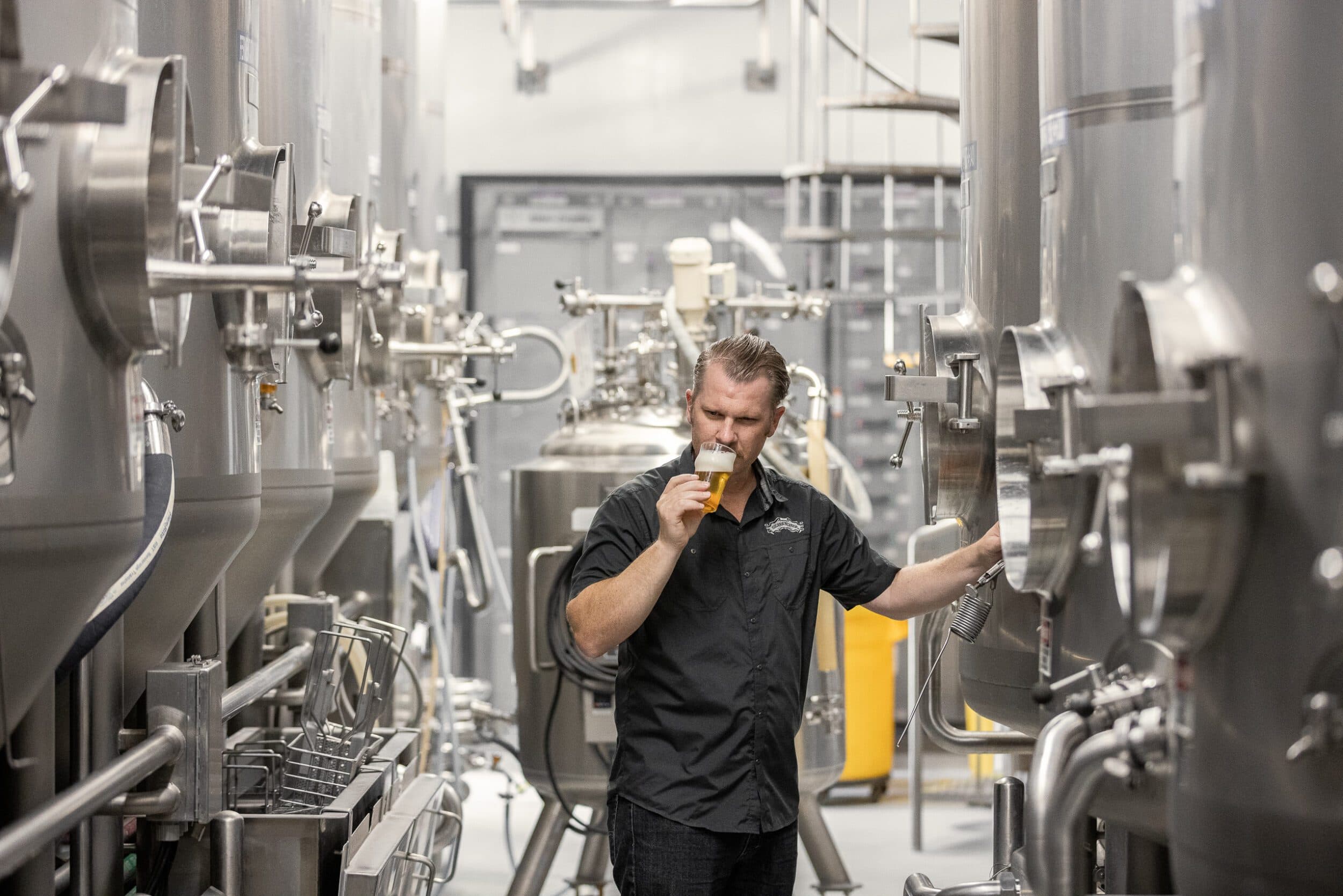
Hops often enjoy the limelight with craft beer, but yeast is the foundation of your pint. More than driving the creation of alcohol—a big deal, no doubt—yeast also produces flavor and aroma compounds toward the finished beer. And it’s specific types of yeast responsible for the two main fermentation groups: ale and lager.
What is ale beer?
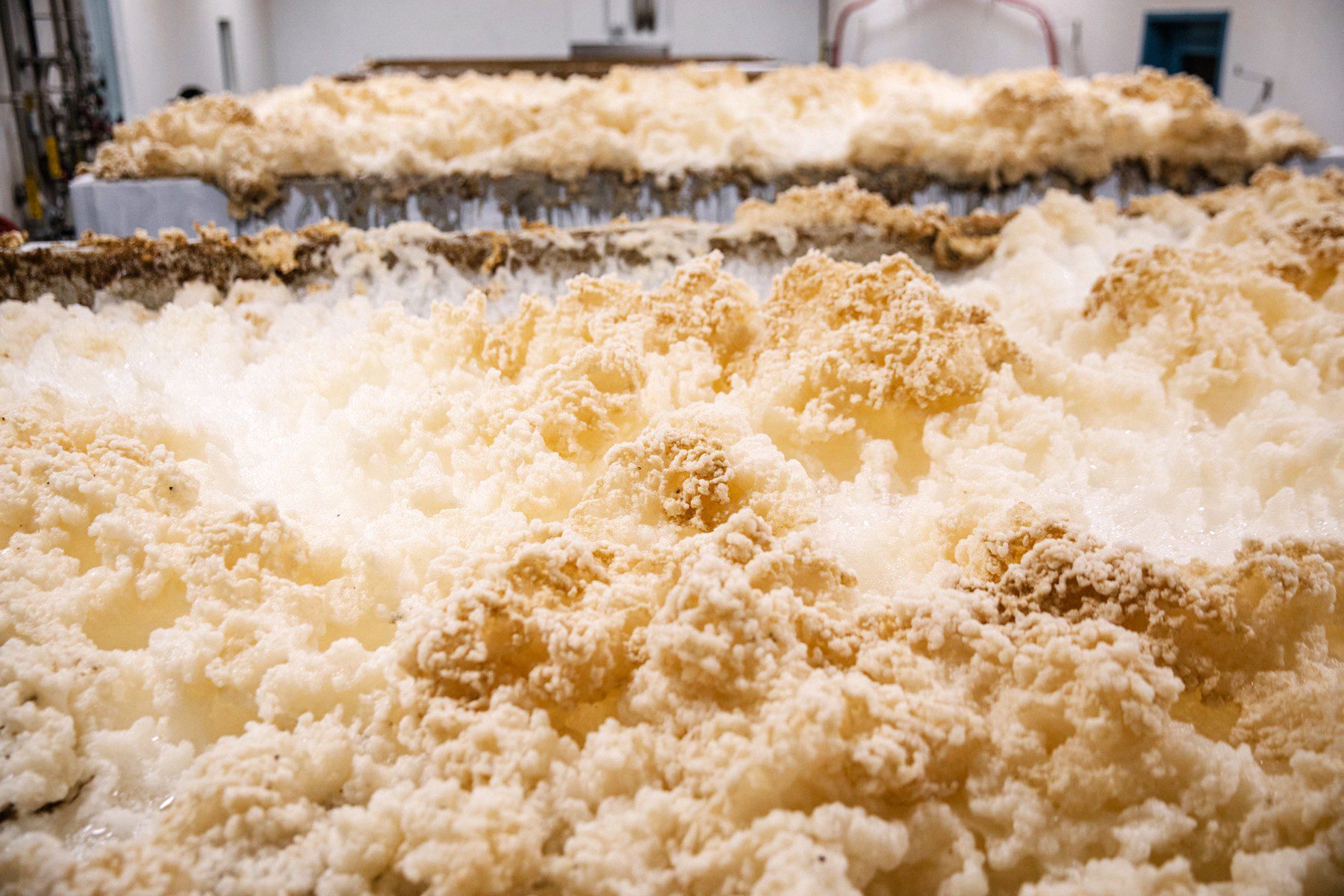
Brewing an ale requires a yeast species named Saccharomyces cerevisiae, commonly called “top fermenting” because as the yeast eats up malt-derived sugars, it rises to the top of the vessel in a layer of foam. Those vessels might be fully closed to the air; there are also “open fermenters” where ales like Bigfoot Barleywine are known to put on a real show.
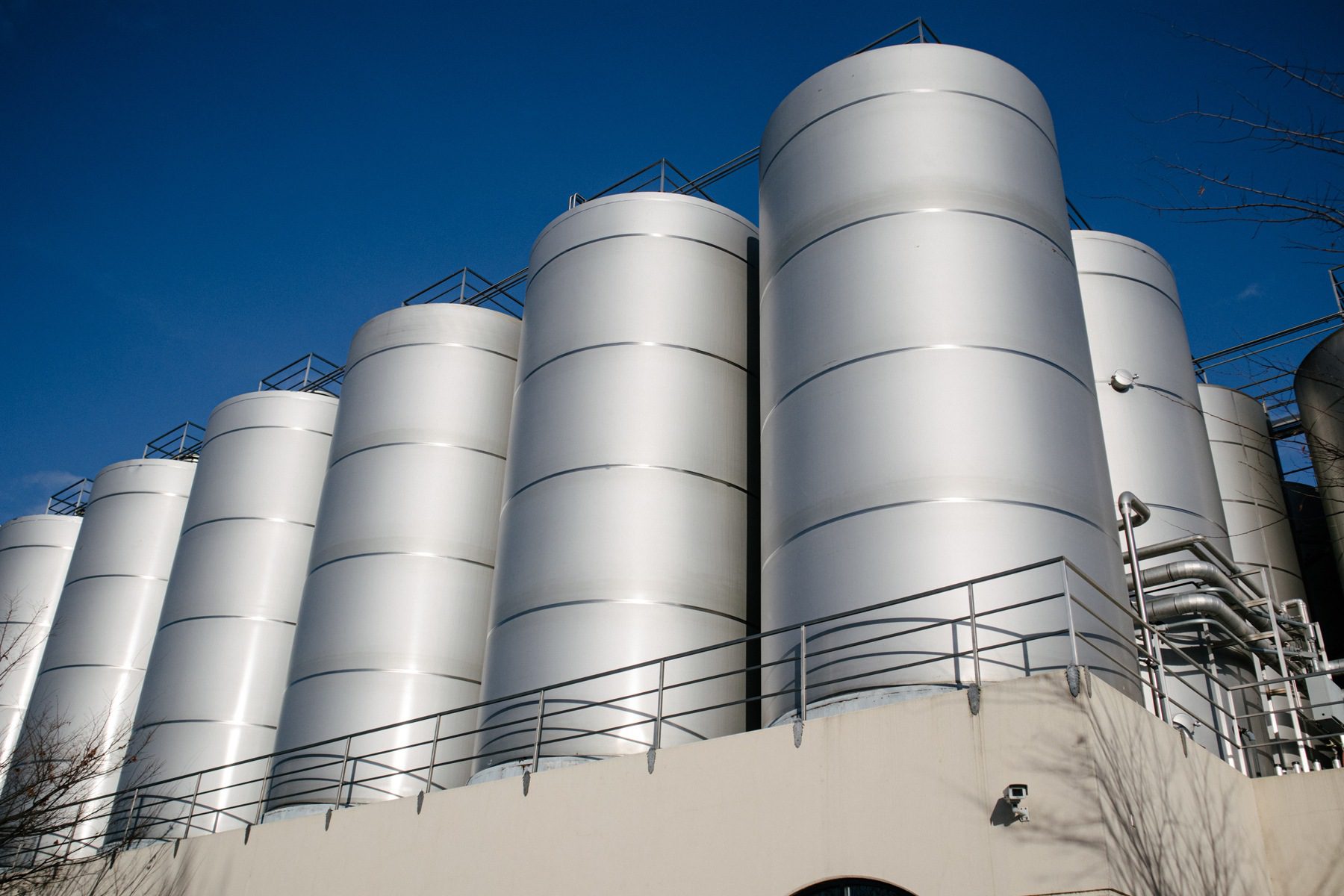
There are many kinds of ale thanks to different strains of Saccharomyces cerevisiae. From IPAs to wheat beers and Belgian styles, craft brewers can select the ideal yeast for their recipes. Our Pale Ale and Hazy Little Thing IPA, for example, have mild yeast character while Kellerweis is all about the notes of spicy clove and banana bread from its unique yeast.
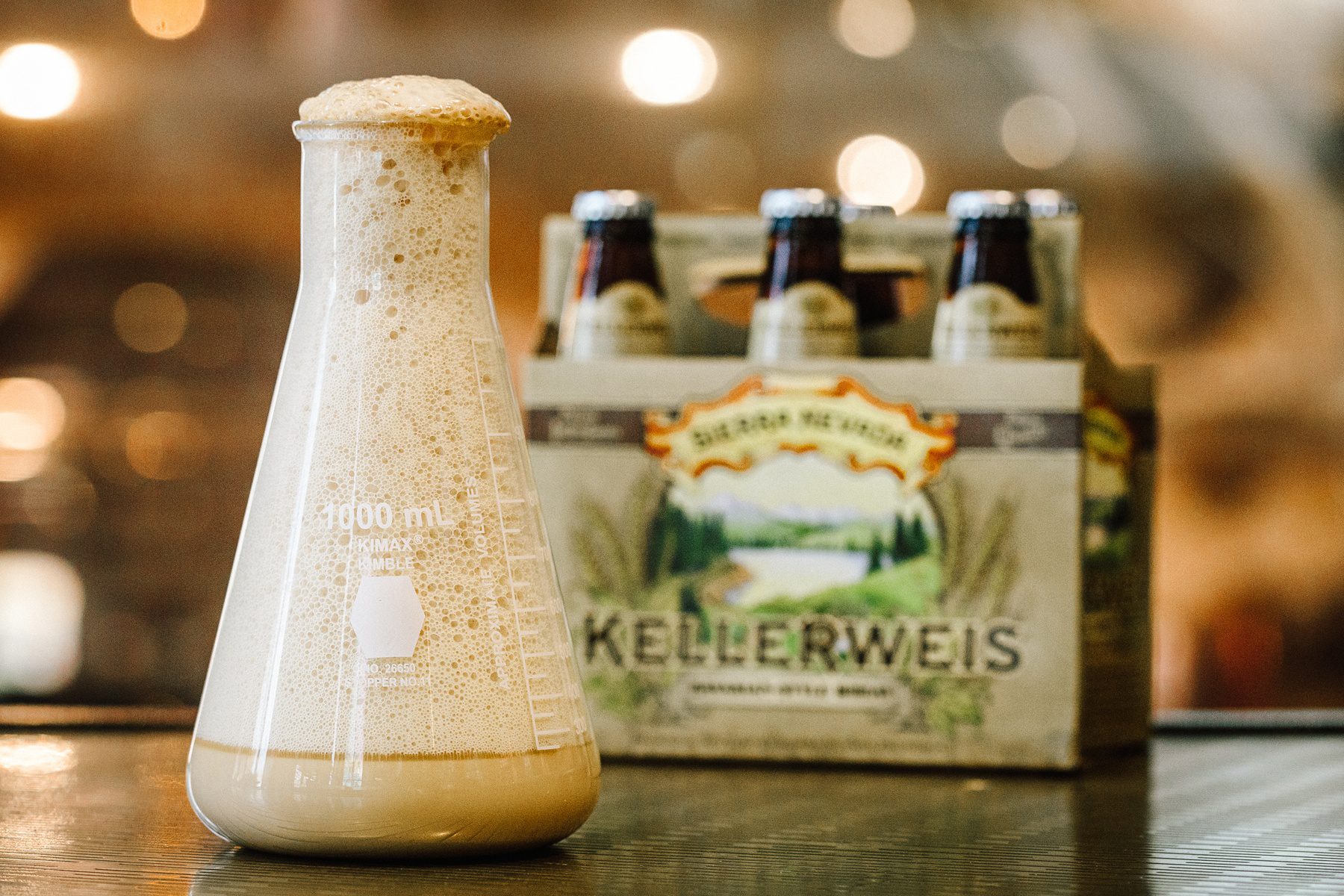
Clove and banana aromas are examples of “esters,” a fermentation byproduct that appears in both ales and lagers, but ales tend to produce more. One reason is that ale yeast typically ferments at a higher temperature than lager yeast, between 60–75 ºF. This range keeps ale yeast happy and productive, fostering more of those fruity aromas that can include pear, apple, and even rose.
What is lager beer?
Lager turns ale on its head—lager is “bottom fermenting”—and uses a yeast called Saccharomyces pastorianus. Lager yeast thrives at lower temperatures than ale, generally between 42–55 ºF.
Lager means “to store” and alludes to the extra patience this beer requires. Before the arrival of refrigeration, brewers targeted the cooler months for their craft; they fermented and lagered beer in caves or cellars ahead of summer thirst.
“Lager arose in a timescale of hundreds of years when an ale strain ‘partied’ in a brewery with a wine yeast called Saccharomyces eubayanus,” explains Charlie Bamforth, our Senior Quality Advisor and Pope of Foam. “A more complex melded organism was produced, one with 50% more genetic information than the parent ale yeast.”
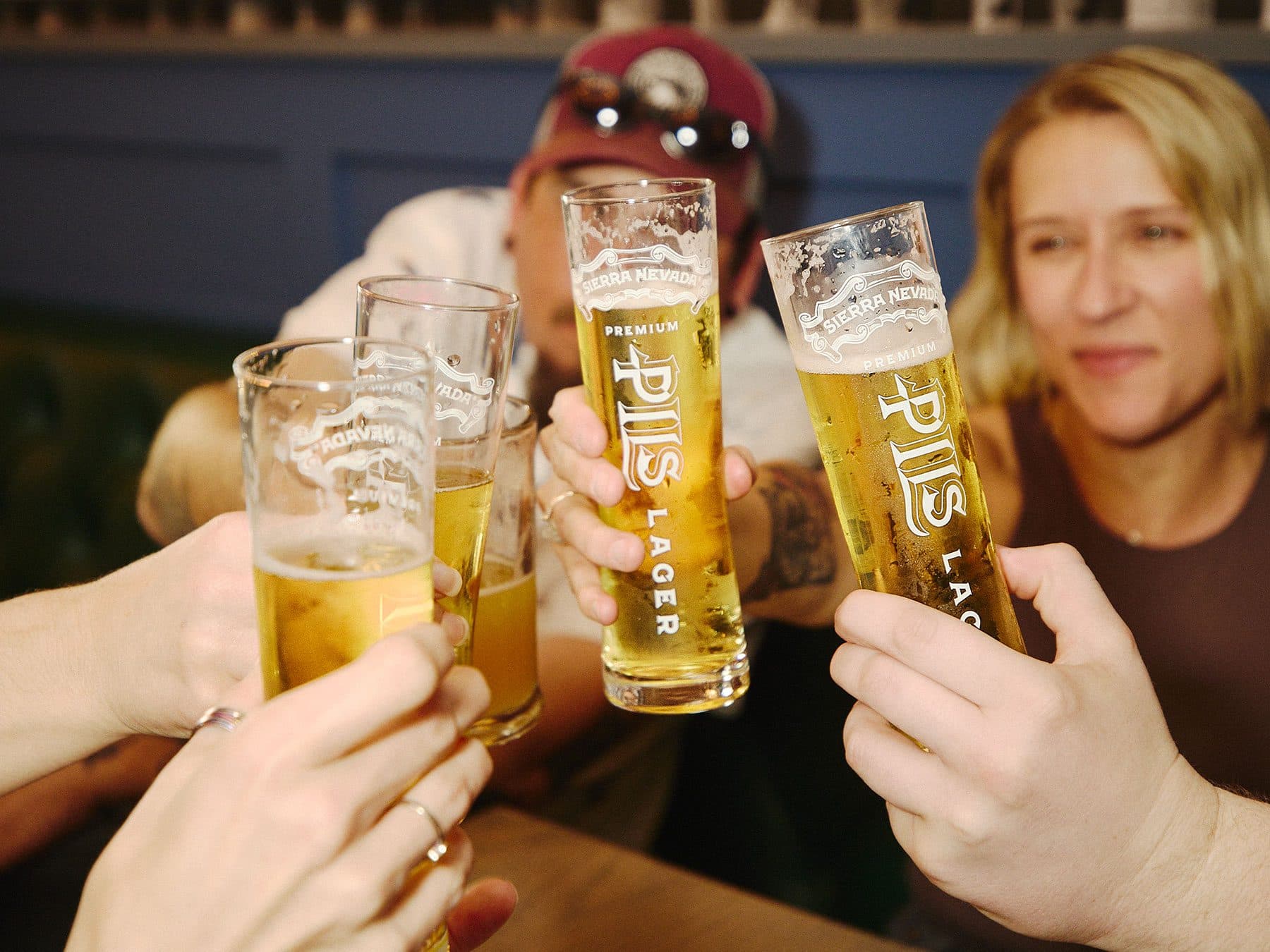
Like ales, there’s a bounty of distinct lagers including malty Dunkels, modern creations like India Pale Lager (IPL), and twists on timeless classics—Sierra Nevada PILS blends European tradition with a flash of American hop flavor.

Each year we also brew a seasonal Oktoberfest lager to celebrate the world’s biggest beer party, and there’s no better way to welcome spring than with our golden lager Pale Bock.
Key Differences Between Ale and Lager
While ales and lagers can look similar in a glass, their flavors, aromas, and the way they’re made can vary. Their key differences include:
- ● Yeast: Ale yeast, which can be found in nature (e.g., on ripe fruits), is a species named Saccharomyces cerevisiae. Lager yeast, a species called Saccharomyces pastorianus, is a hybrid that originated centuries ago when ale yeast joined with another yeast species called Saccharomyces eubayanus.
- ● Fermentation Process: Lager is a slower and calmer process, so lager yeast sinks to the bottom of the vessel; ale yeast, with its warmer fermentation, is more vigorous and shoots to the top.
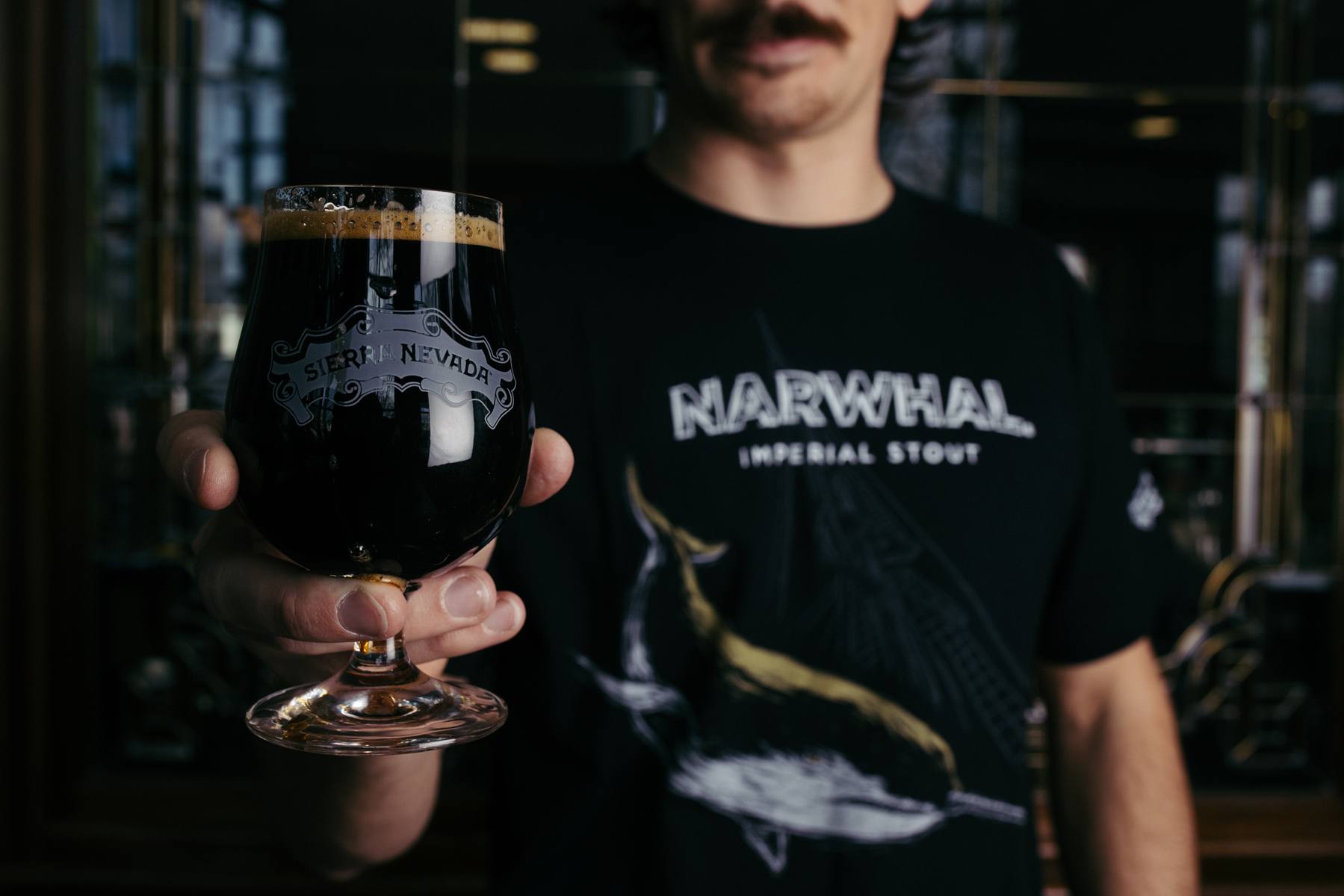
- ● Brewing Process: With a lager like our Oktoberfest, it’s 21–28 days from the start of brewing to final packaging. On the other hand, our numerous ales like Torpedo IPA or Narwhal Imperial Stout are a comparatively speedy 14–18 days.
- ● Flavor and Aroma: Lager’s prolonged fermentation also results in fewer byproducts (e.g., fruity “esters”), leading to a beer most drinkers perceive as crisper than an ale, with more nuance to its flavor and aroma.
Not all Lagers and Ales are Created Equal
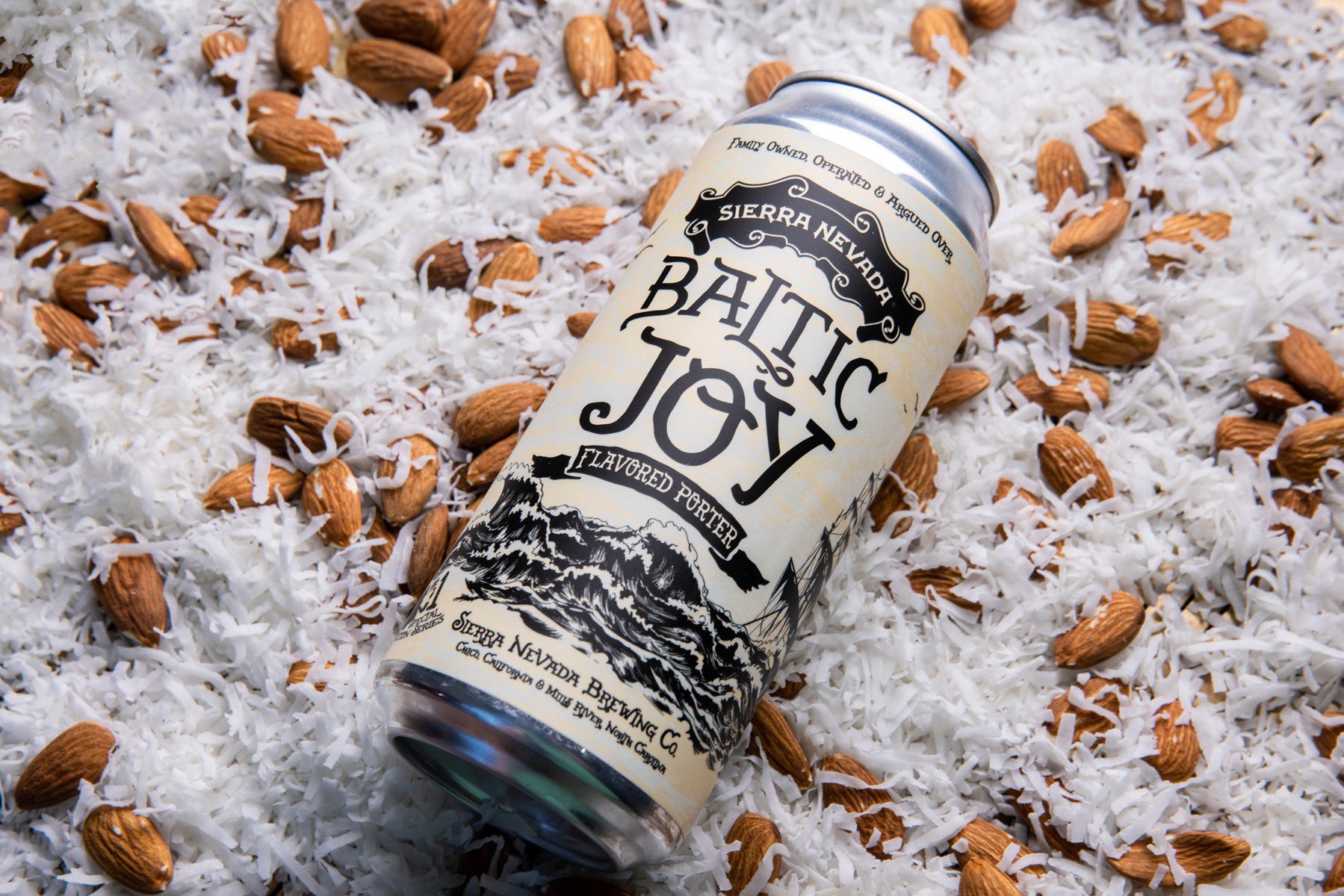
You will find plenty of beers that fall outside the guardrails of ale and lager. German-style Kolsch, for example, is fermented with ale yeast before maturing in colder lager conditions. You get a crisp and clean pint with hints of fruit or spice that recall an ale. (A style called California Common is the inverse: lager yeast fermented like an ale.) And when you hear “Porter,” you might assume an ale, but the Baltic-style Porter is cold-fermented with lager yeast. It’s oh so smooth, with the richness and roast of an Imperial Stout.
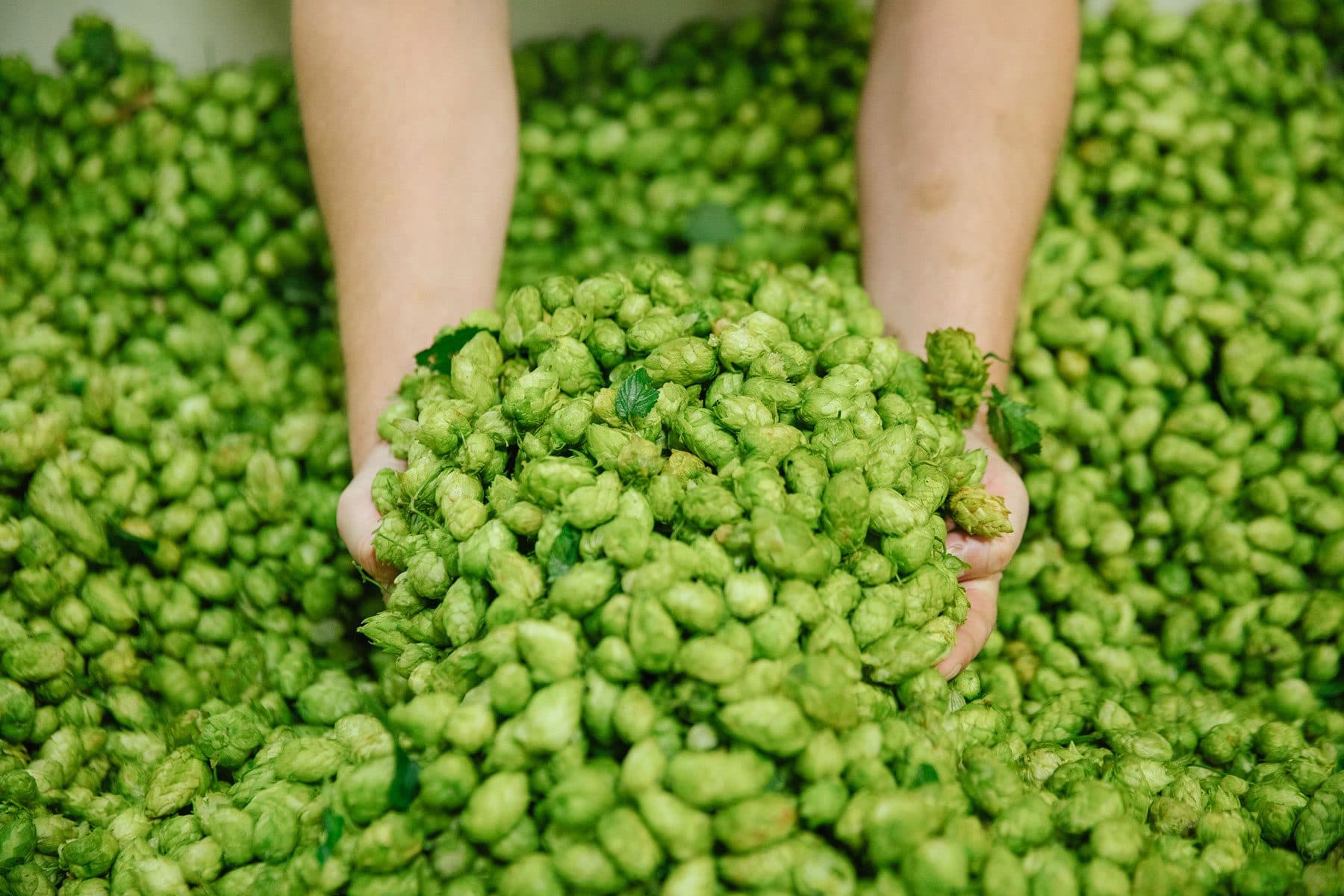
Hop character can vary between ales and lagers too. It might feel like it at times, but India Pale Ale doesn’t have a monopoly on hoppiness. There are traditional lagers that elevate hops, like the Czech-style Pilsner whose late additions of Saaz hops yield a pleasant, spicy aroma. And a hybrid like India Pale Lager—as it sounds: a lager booming with hops—reinforces craft brewers’ spirit of exploration. Hoppy Lager is a cherished recipe in our archive.
And perhaps it’s obvious which is stronger: ale or lager? You might be surprised. Yes, lots of lagers out there have a low ABV, which makes them great session beers. But move up the scale and substantial lagers await, including our Pale Bock (6.8% ABV) and Baltic Joy Porter (7.8% ABV). They’re no Hoptimum Triple IPA (11% ABV), but you can’t underestimate ales or lagers!
In the end, ale vs. lager isn’t about picking sides; each one can delight your palate. An explosive, hoppy ale. A delicate, crisp lager. Something in between. Whatever you’re craving now, track it down with our Brew Finder.
FAQs about Ales and Lagers
Does beer have yeast?
Yes, beer is fermented with yeast, which turns wort sugars into alcohol and carbonation. Some beers are filtered or pasteurized, so very little yeast remains in the final package, but yeast is still essential to making beer.
What is ale made from?
Ale is made from water, malted grains (usually barley, sometimes wheat), hops, and ale yeast. The key difference is fermentation: ale yeast (commonly Saccharomyces cerevisiae) tends to ferment warmer, which can create more fruity or spicy fermentation notes.
What does ale taste like?
Ale often tastes fuller and more expressive, with flavors that can lean fruity, floral, spicy, or bready depending on the style and yeast. That said, some ales are clean and crisp, so “ale” is a big family, not one flavor.
Wheat ale vs lager: what’s the difference?
A wheat ale uses a larger share of wheat in the grain bill and is fermented with ale yeast, which can add soft fruit or clove-like notes in some styles. A lager is defined by lager yeast and cooler fermentation, which tends to produce a cleaner finish and a crisp profile.
Is ale stronger than beer?
Ale is beer, so it is not automatically stronger. Strength comes down to the recipe and style, since both ales and lagers can range from low ABV to higher ABV.
Pale lager vs pale ale: what’s the real difference?
Both can look similar in color, but they are brewed with different yeast and fermentation approaches. Pale ales use ale fermentation, which can create more noticeable fermentation character, while pale lagers use lager fermentation and cold conditioning for a cleaner, crisper profile.
Are lagers always less bitter than ales?
No, bitterness depends on hopping rate, timing, and balance, not whether a beer is an ale or lager. Lagers often taste smoother because cooler fermentation typically produces fewer yeast-driven flavors that compete with hops.
Which has more yeast flavor: ale or lager?
Ales more commonly show yeast-derived flavors like fruity esters or spicy phenols because they ferment warmer. Lagers usually taste “cleaner” because cooler fermentation and lagering reduce those yeast-forward notes.